Camponovo
Grids Reconsidered
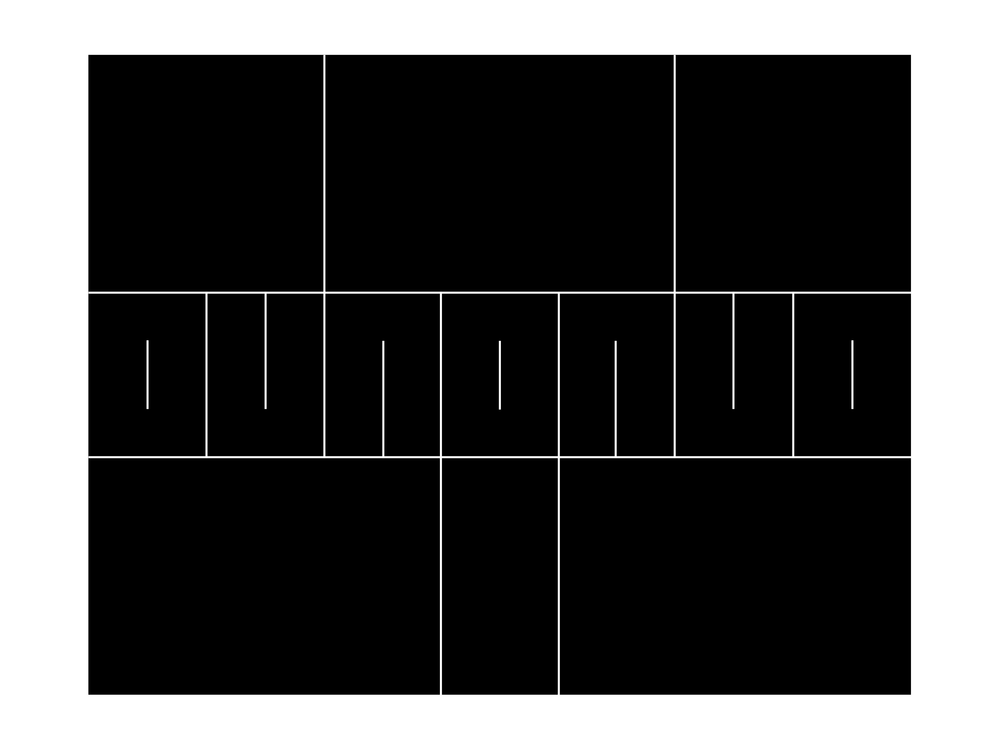
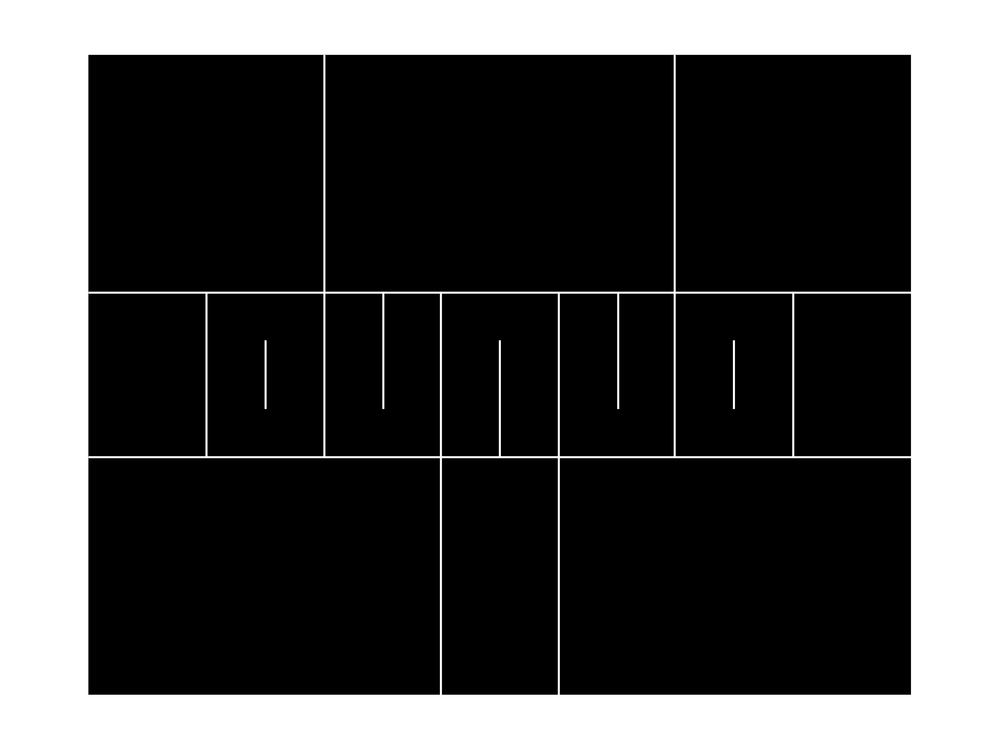
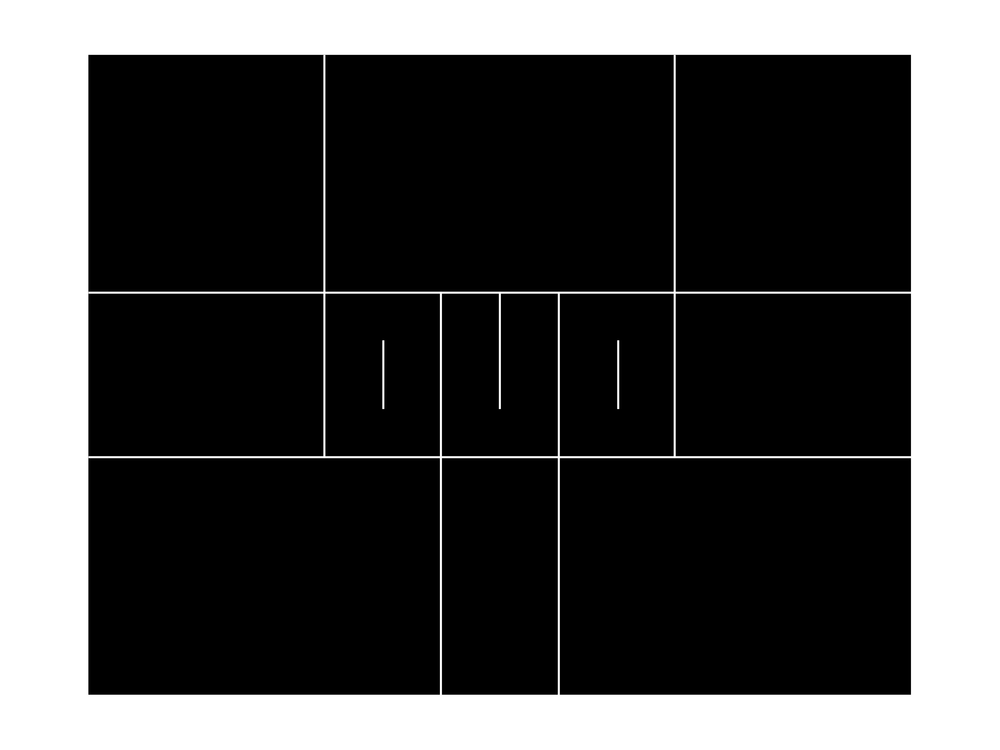
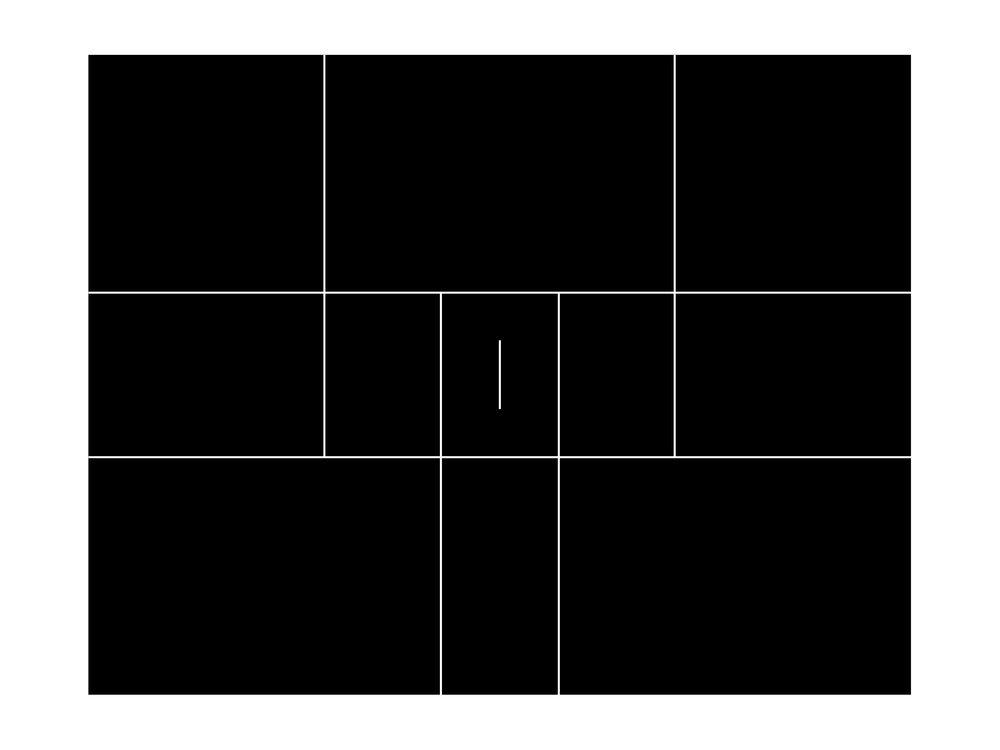
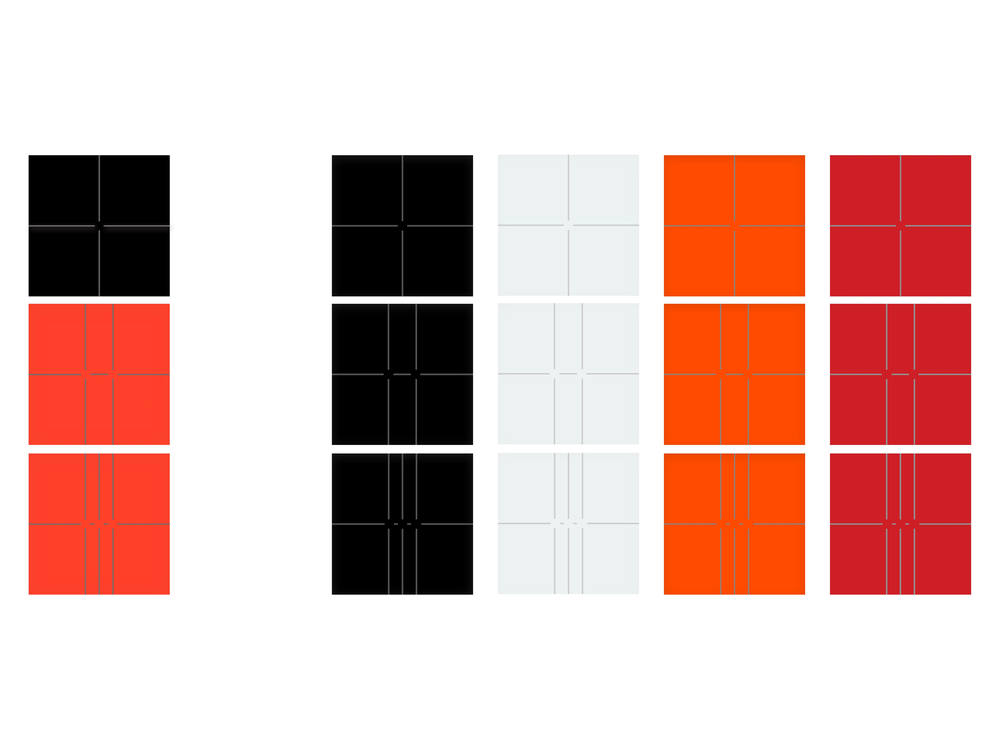
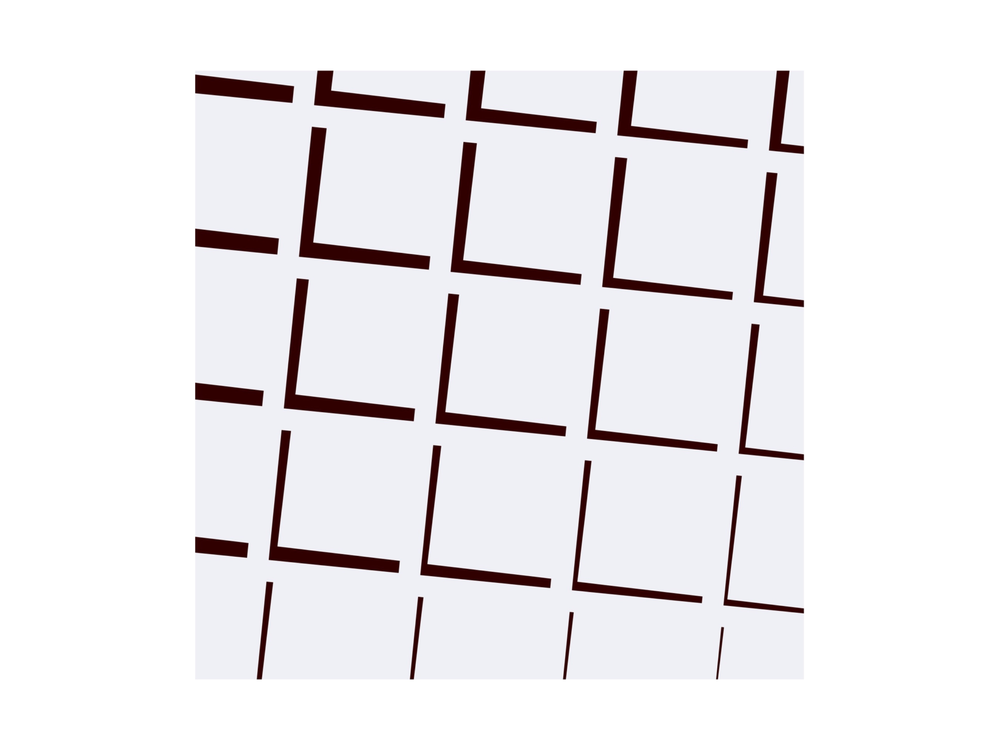
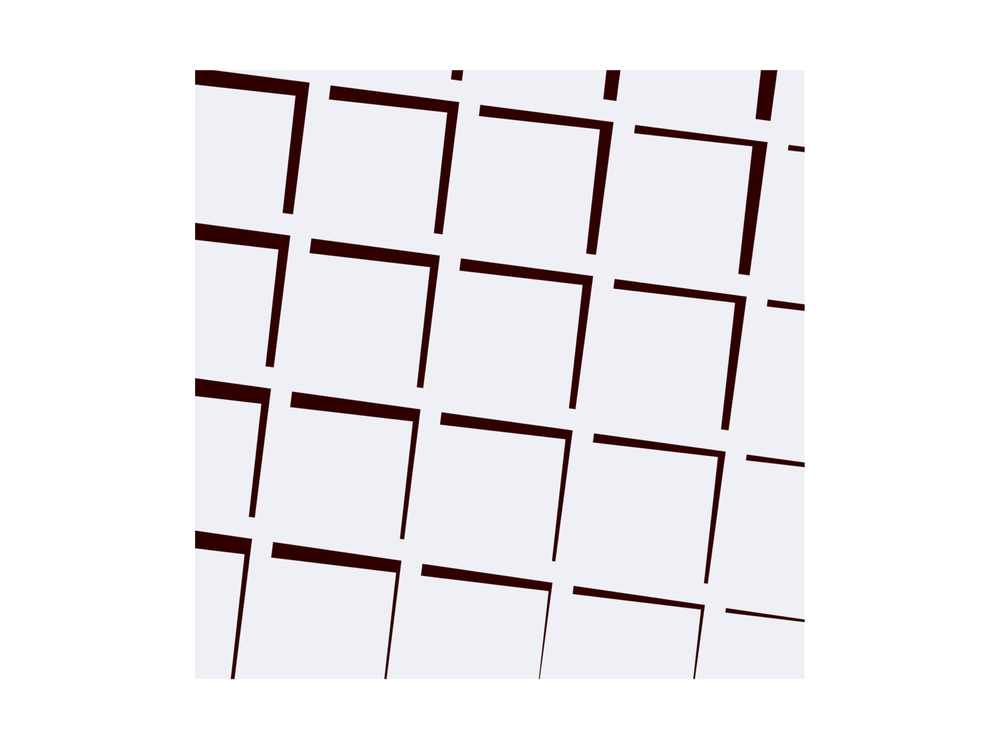
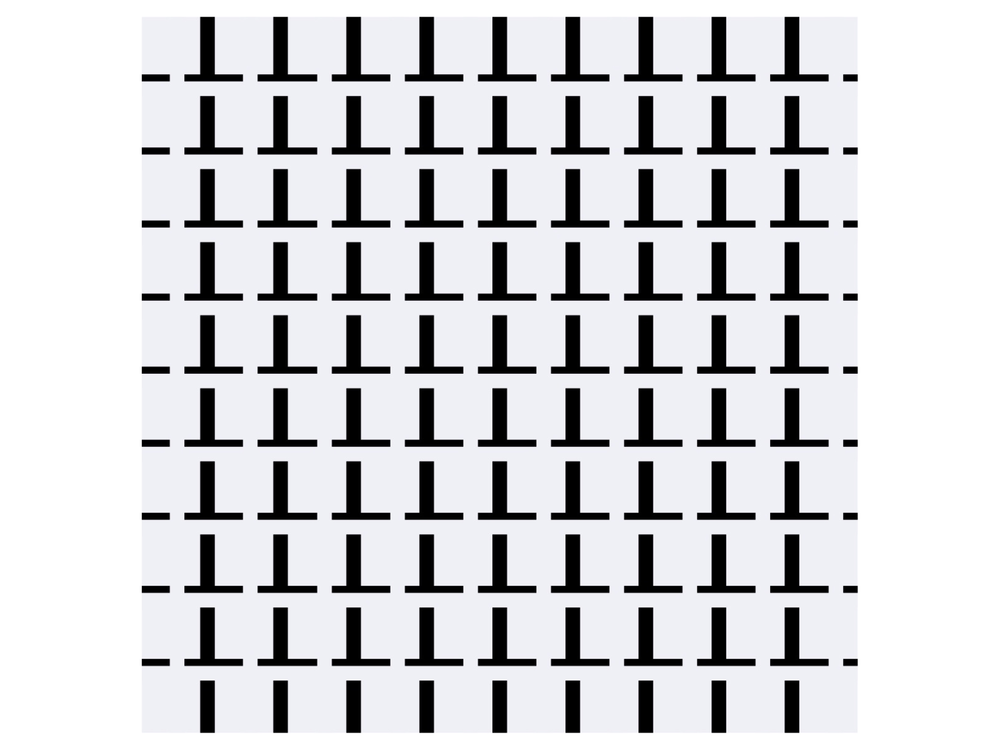
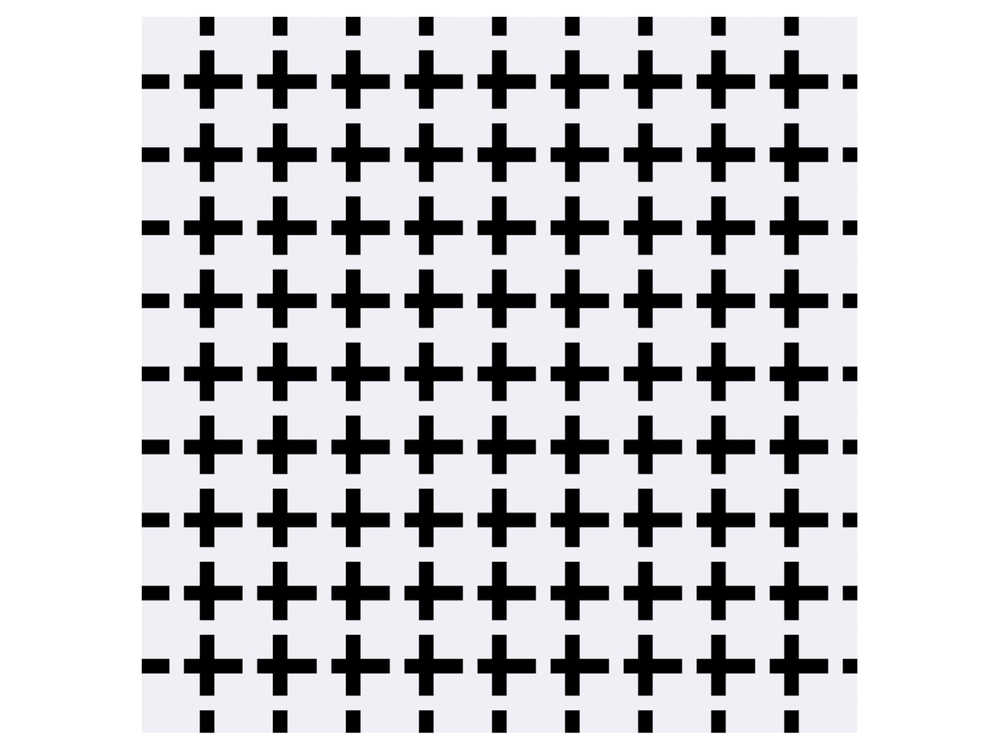
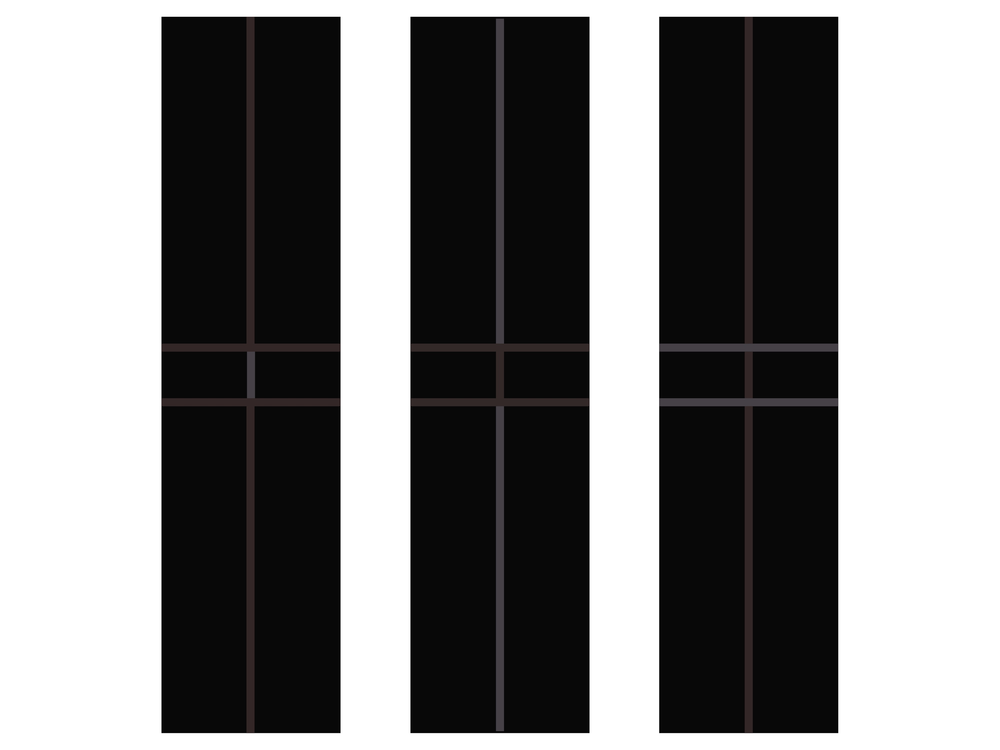
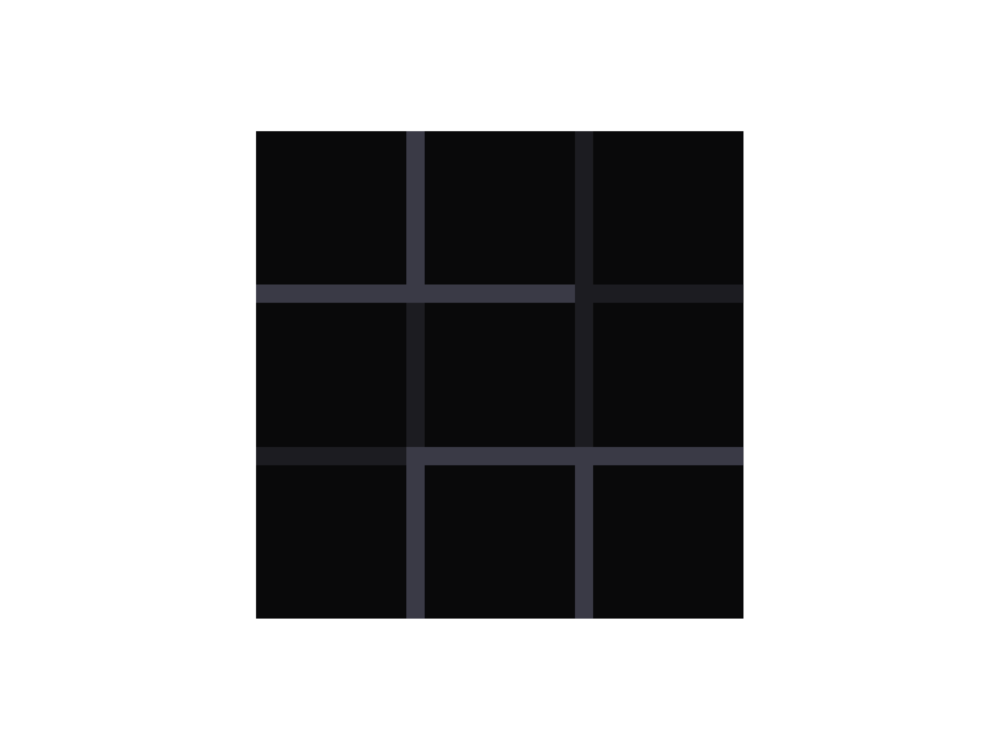
The smallest unit of a grid is a cross — two perpendicular lines intersecting at a point. Aurélie Nemours, in a text accompanying the etching portfolio Symmetria (Editions Fanal Basel, 1982), wrote of that point as a square. While working on the series Broken Grids, however, I noticed something intriguing: when lines interrupted by a gap intersect at their break, they create a virtual point — and that point is round.
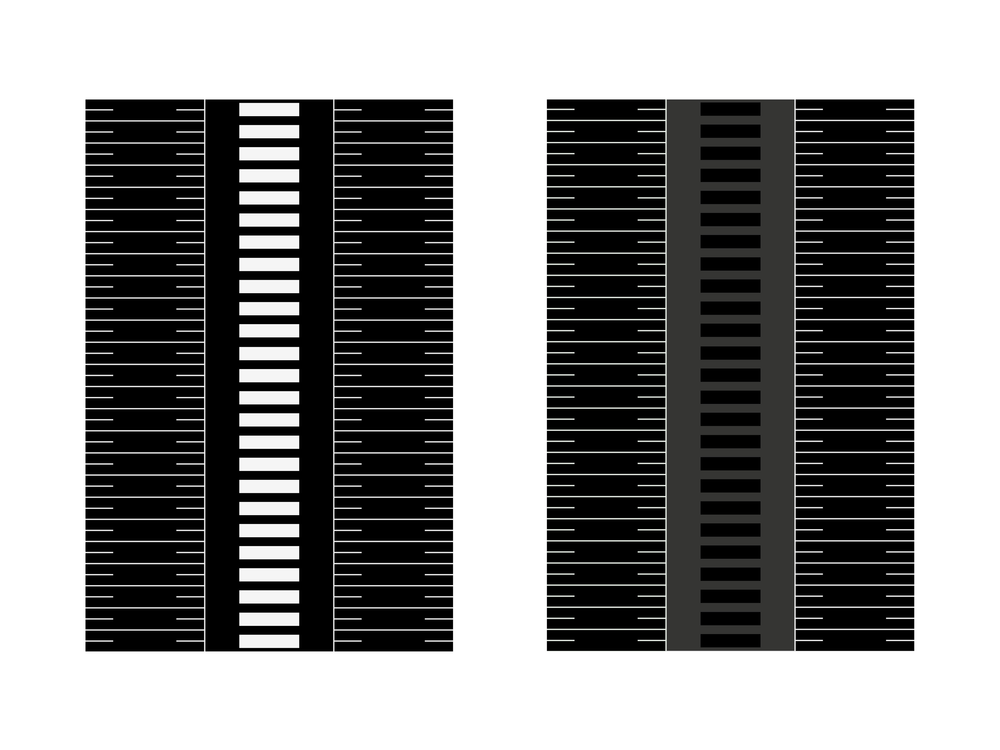
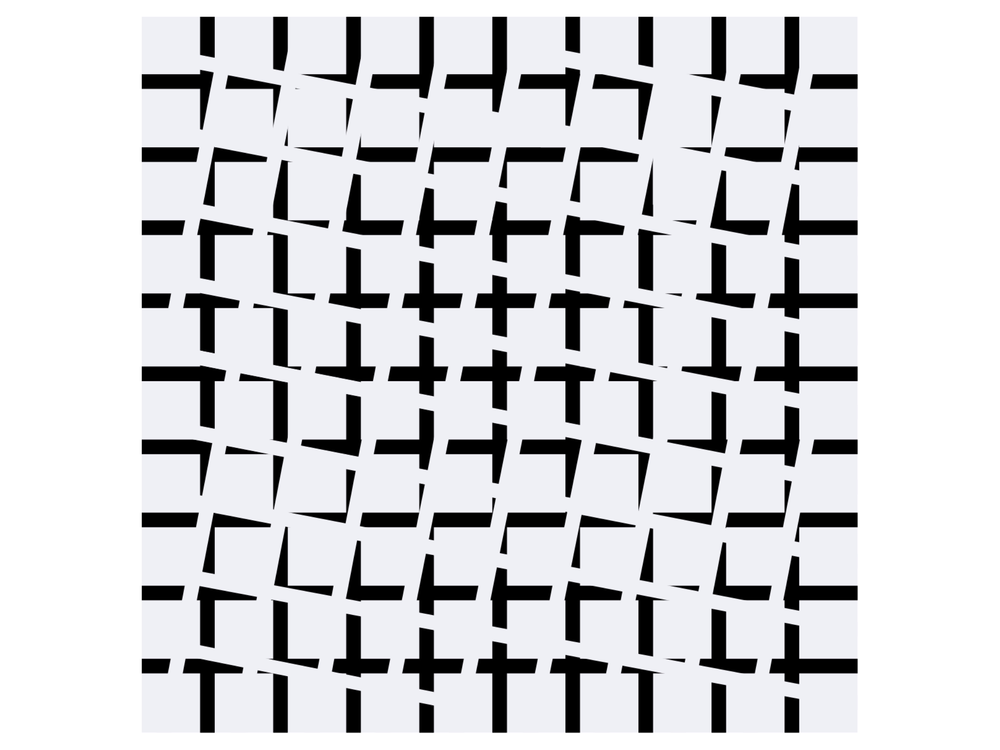
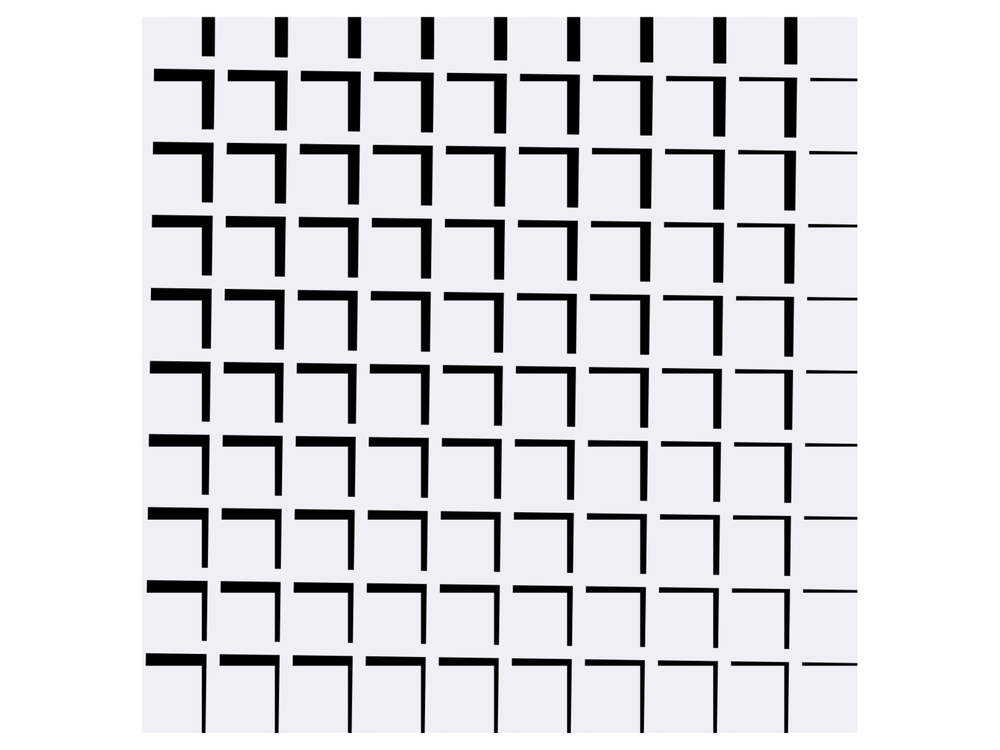
Grids have been central to constructive art since its inception, their possibilities explored by many artists over decades. The challenge today is finding genuine originality when remaining within a strictly geometric and mathematical context. My first and most radical approach was to express the grid without painting it. This led to the White Grids series. Only black shapes are painted — the grids emerge as bright virtual optical effects, created entirely by the tension between the black forms.
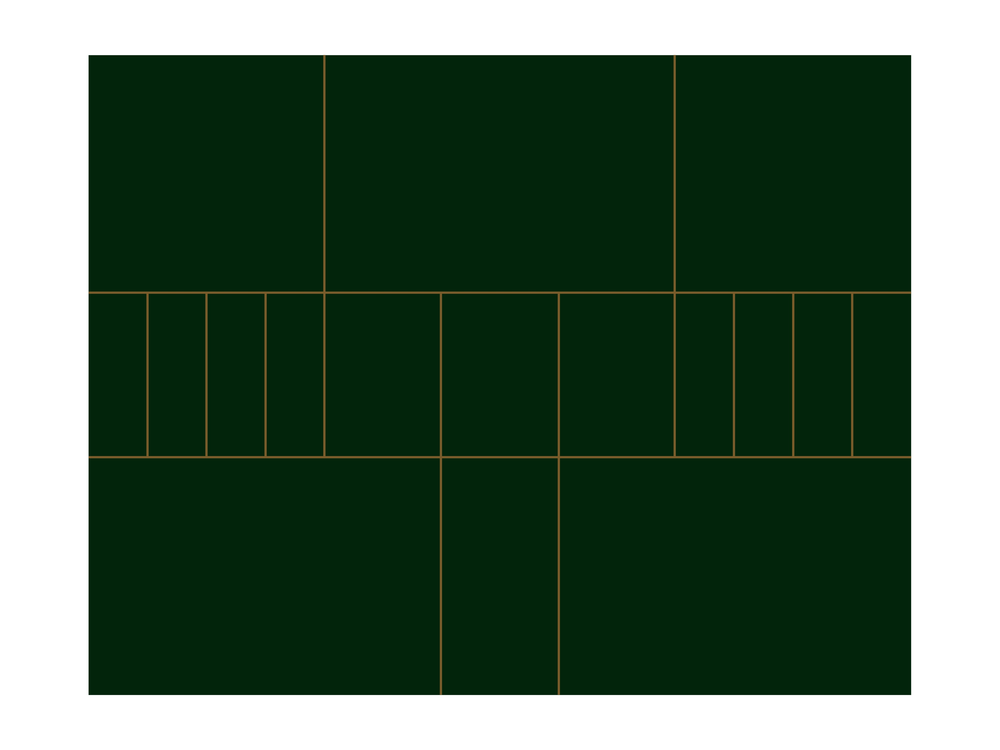
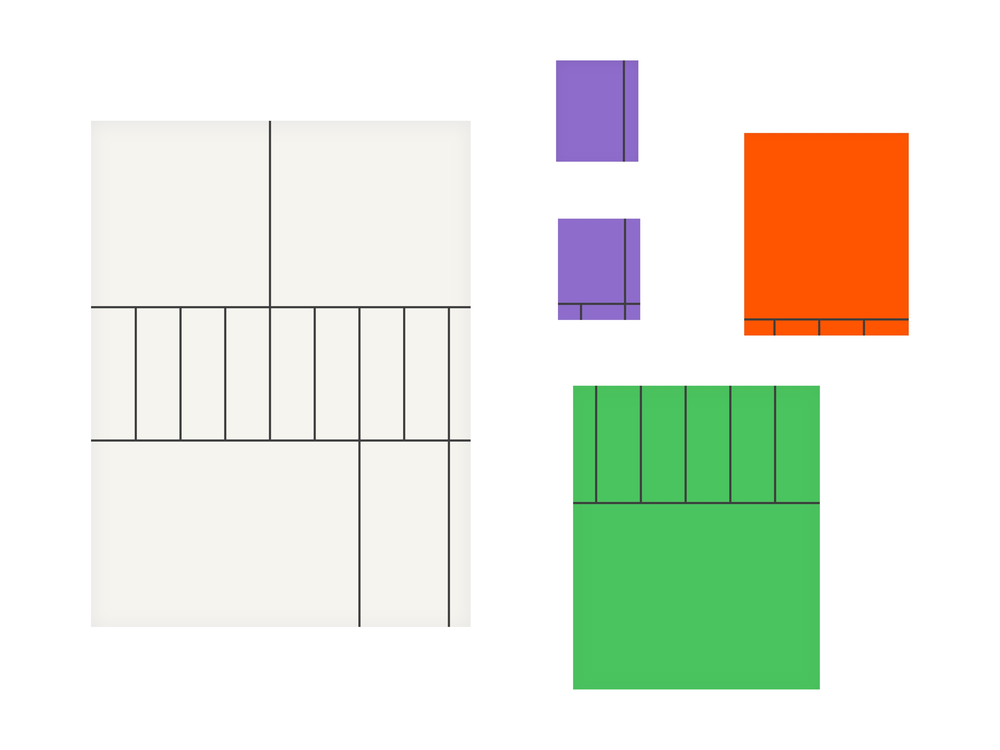
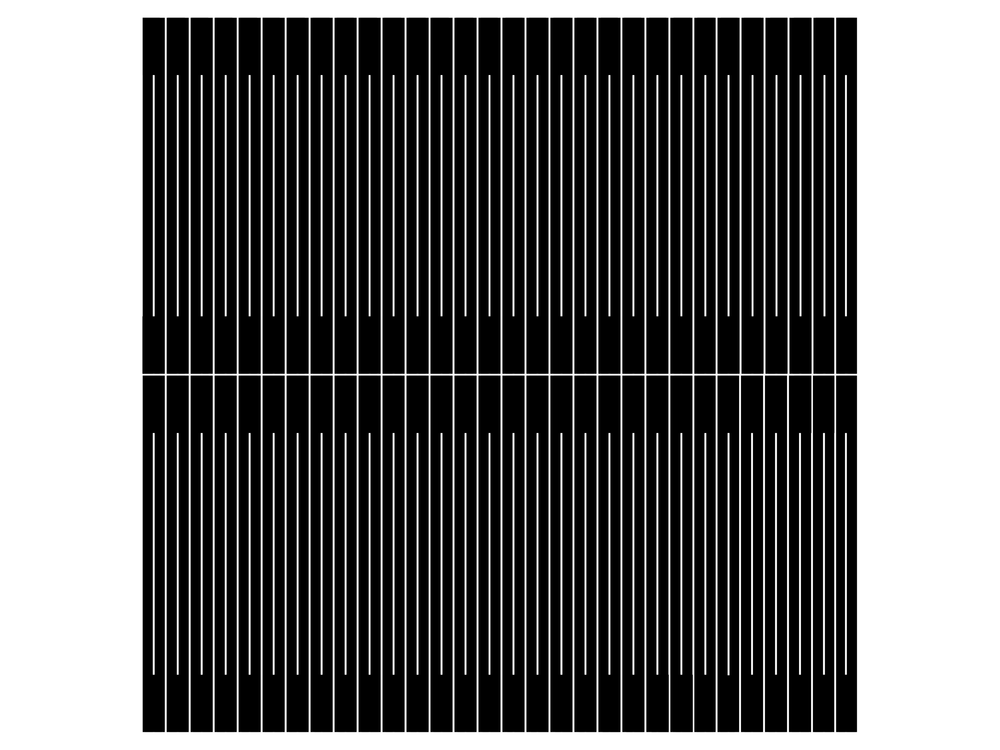
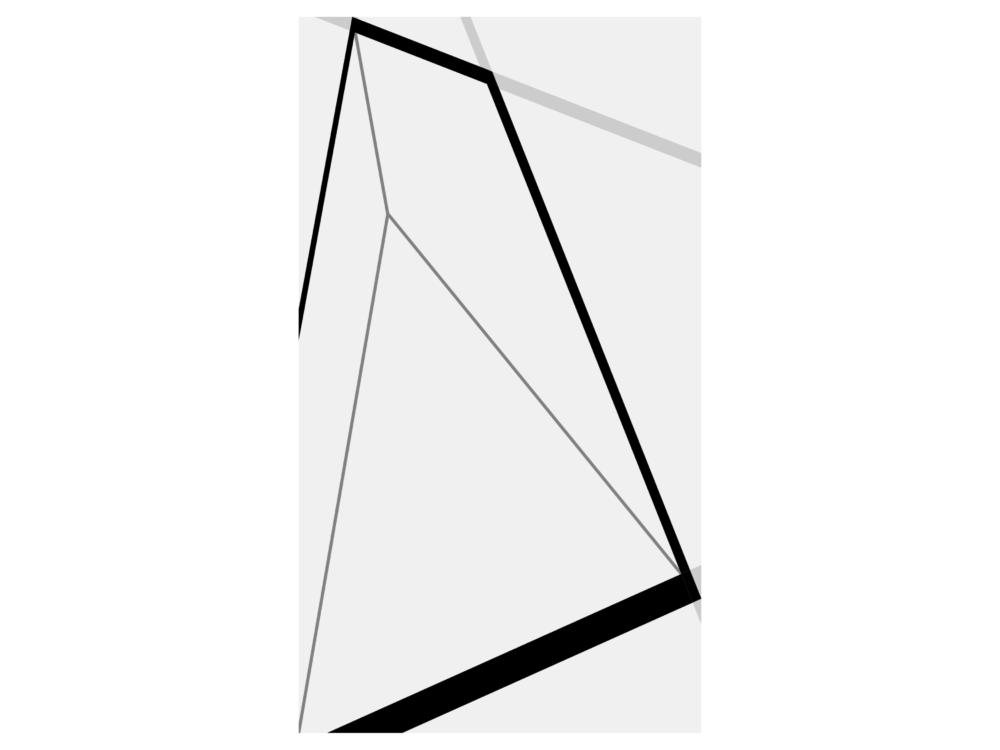
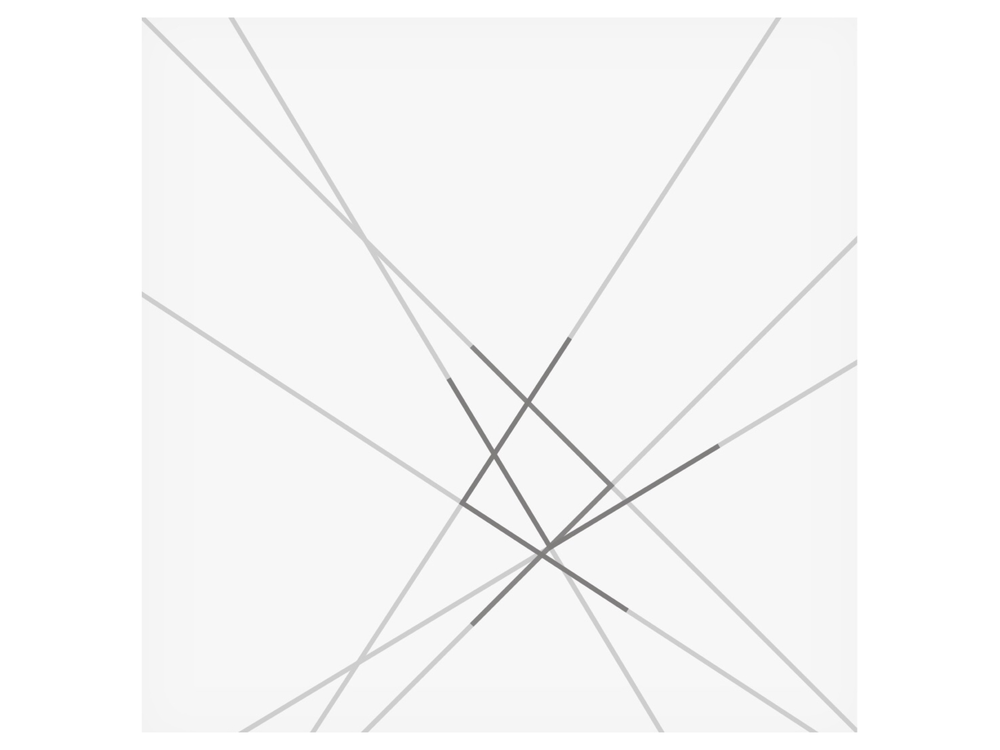
Those fragmented black shapes of the White Grids series led to a broader idea: to introduce breaks into the grid itself. Broken Grids became the space to explore this. One approach was to divide the grid into vertical stripes and shift them up and down until a virtual banding effect appeared on the canvas. Subsequently, building on the experience with the White Grids, I explored the possibility of producing virtual optical effects using fine lines to build the grids. When two fine lines with a gap intersect at the break, the background colour becomes optically brighter, generating a virtual dot. Combined with other elements of the composition, these virtual textures can be shaped and directed into rectangles. In some paintings, juxtaposed virtual and painted rectangles are barely distinguishable at first glance.
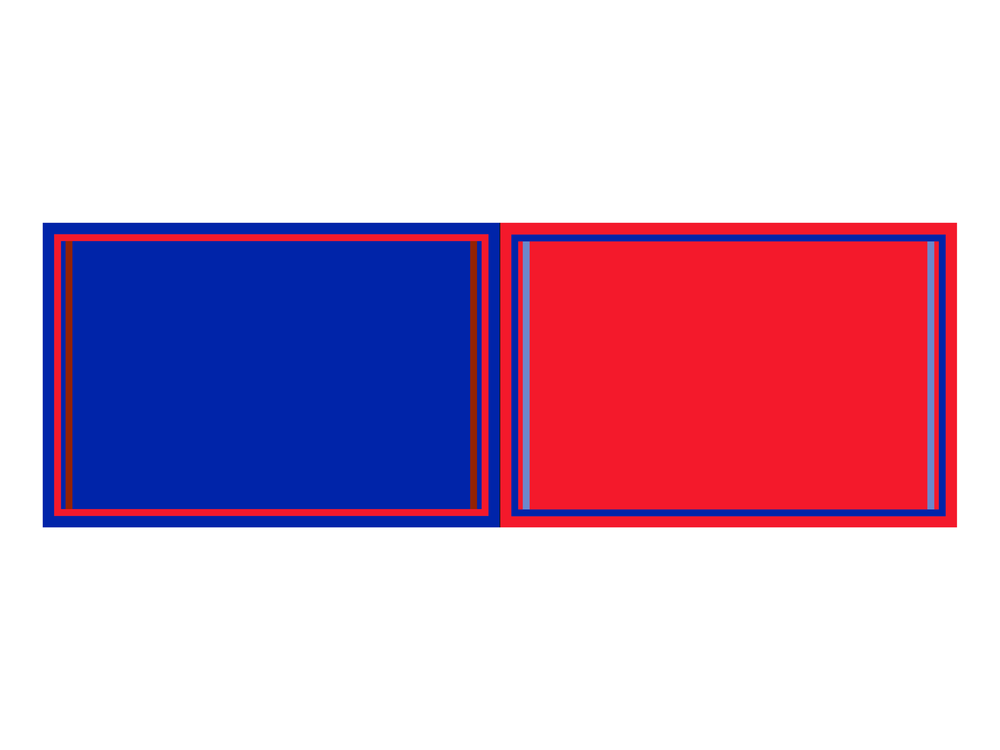
In a recent series of diptychs derived from broken grids, larger grid cell surfaces allow colour interaction to take on a predominant role.
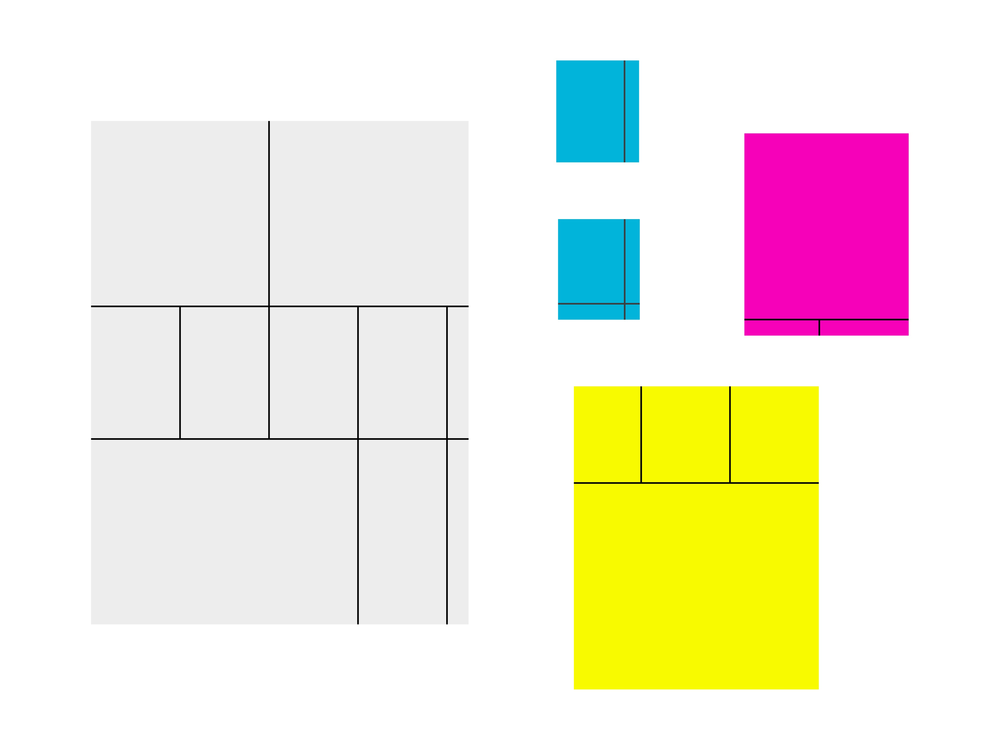
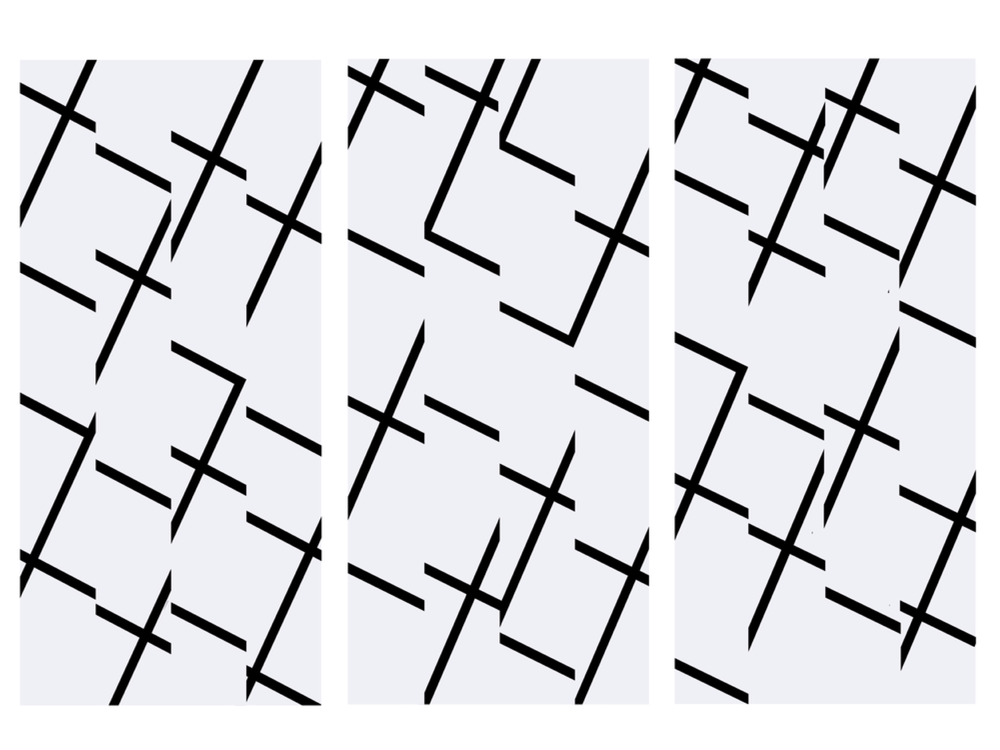
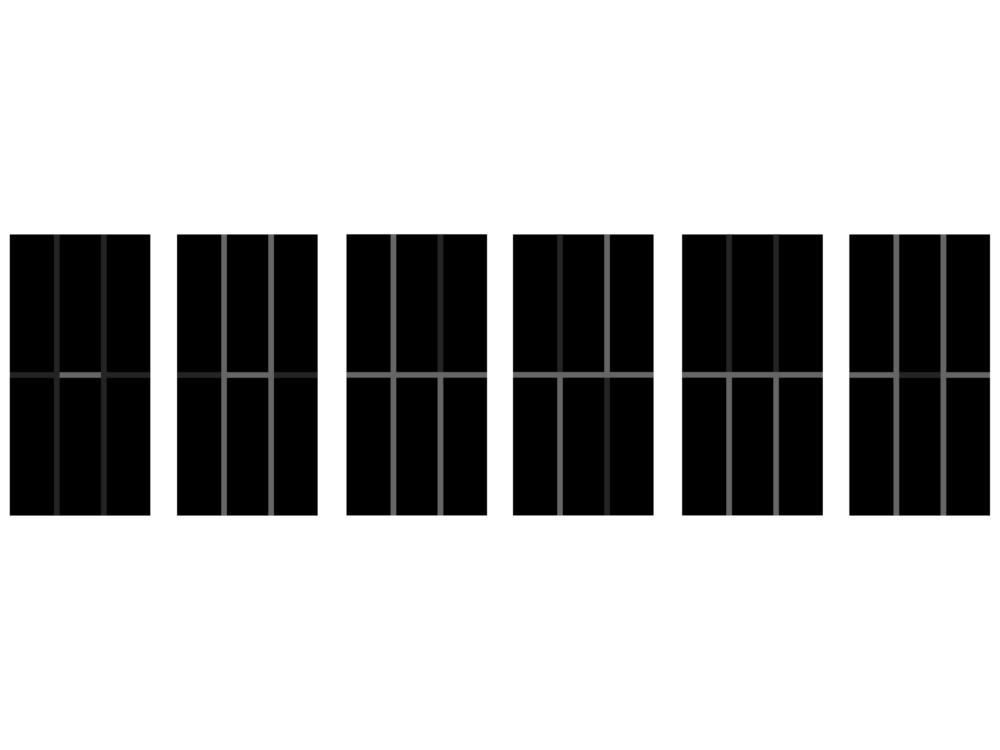
Deconstruction Sequences follows a broken grid through a progressive transformation — parts of the grid are deleted from one painting to the next. In the fifth and final stage, the canvas itself is additionally split into several parts.
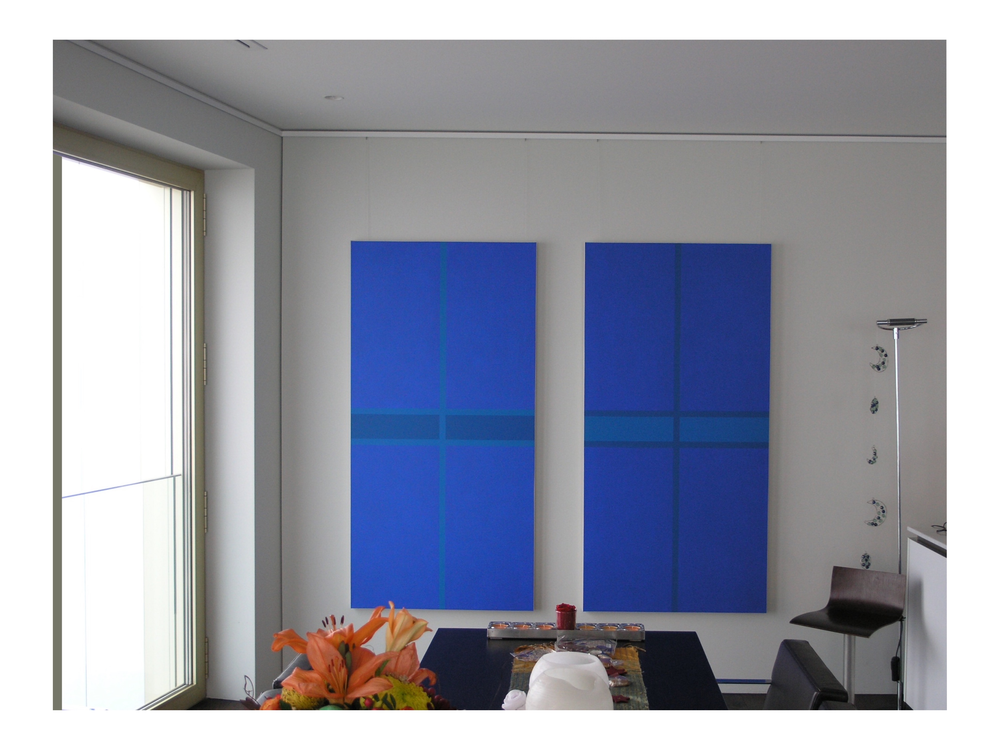
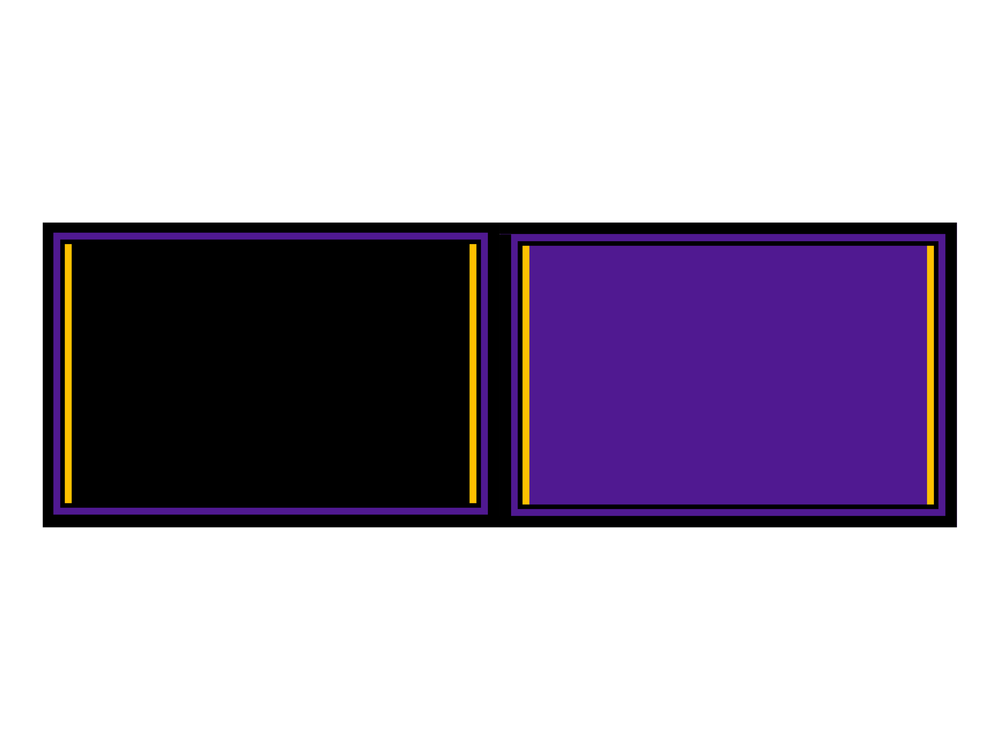
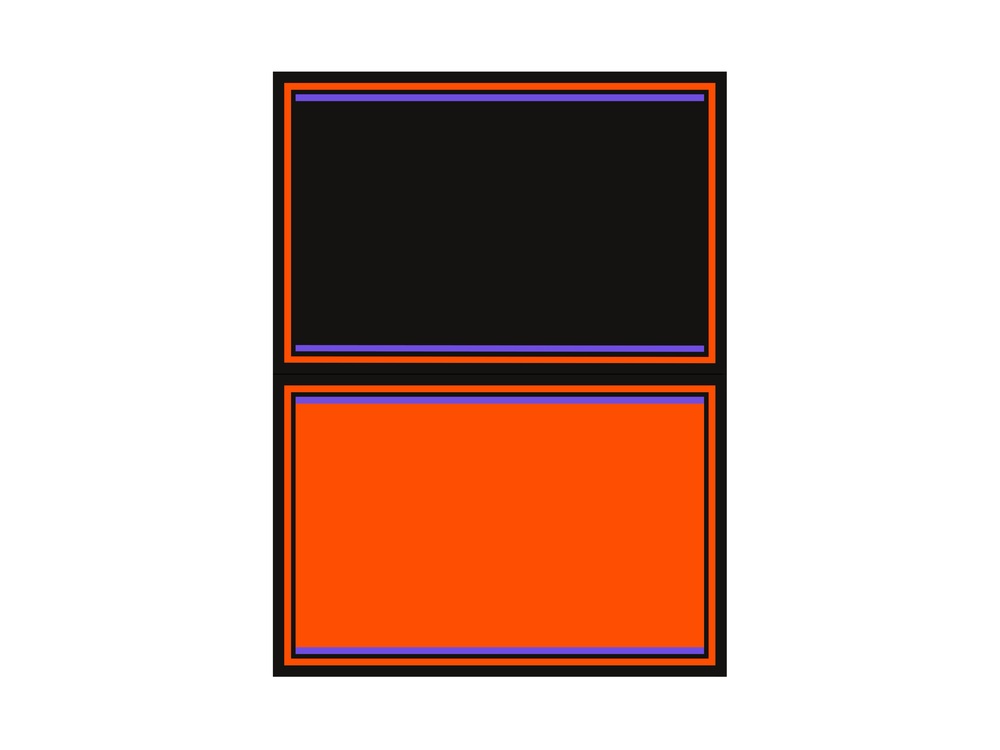
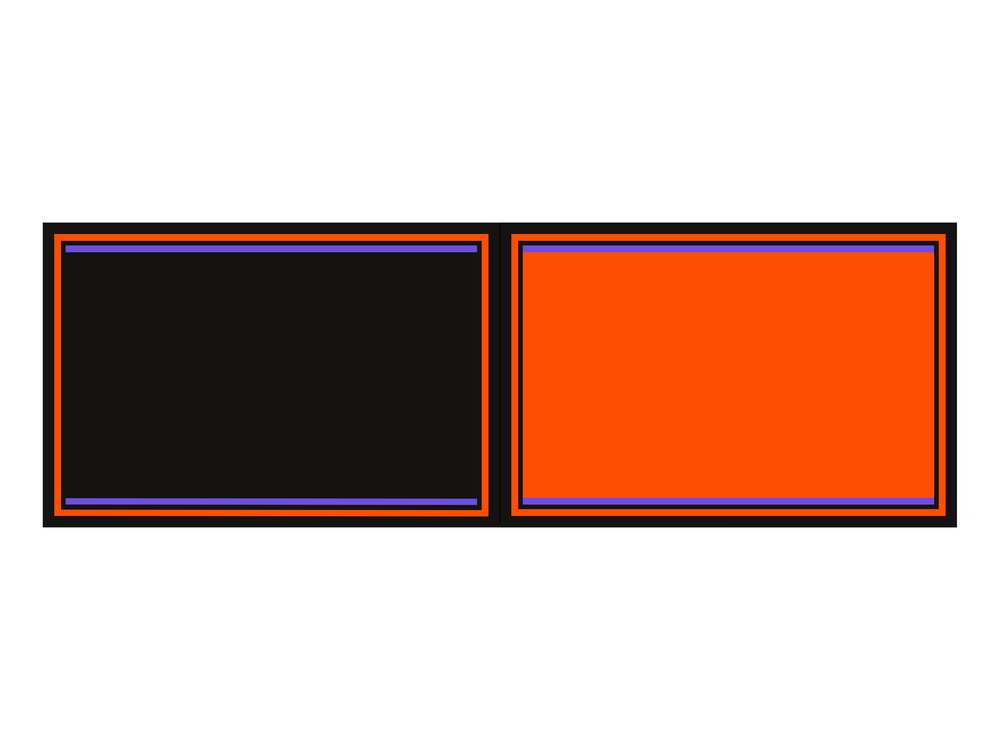
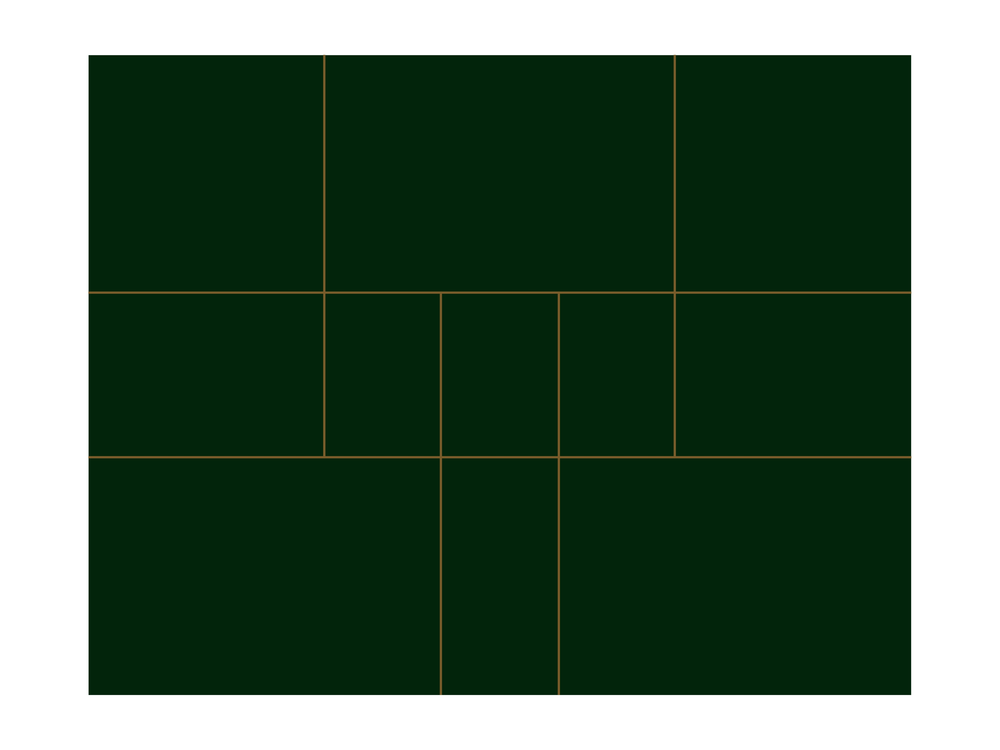
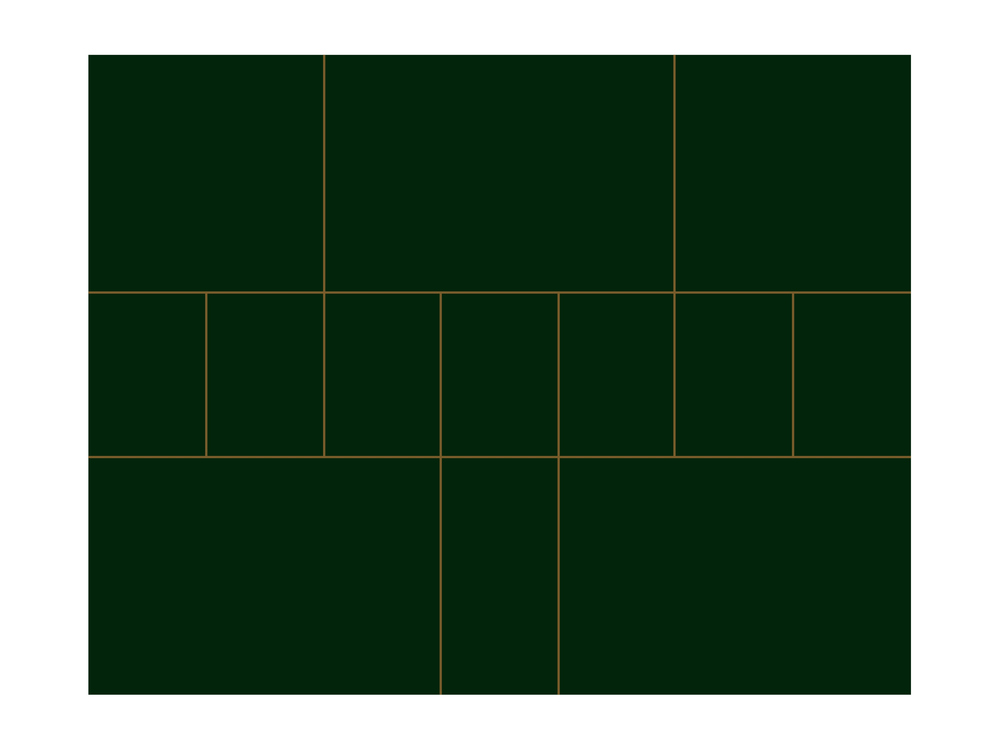
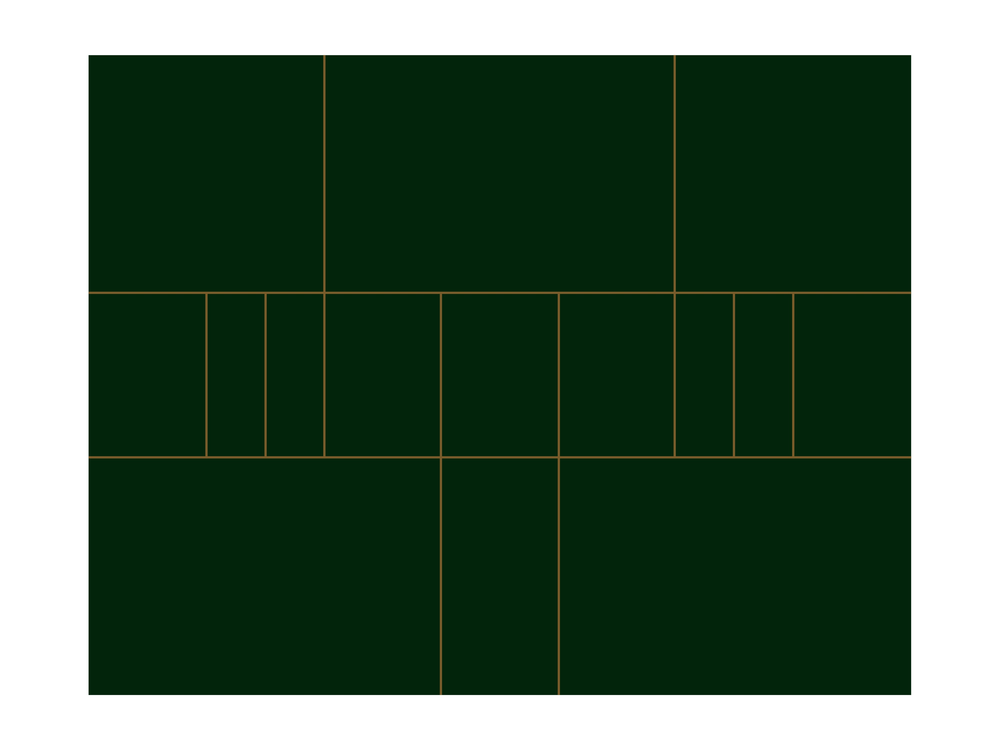
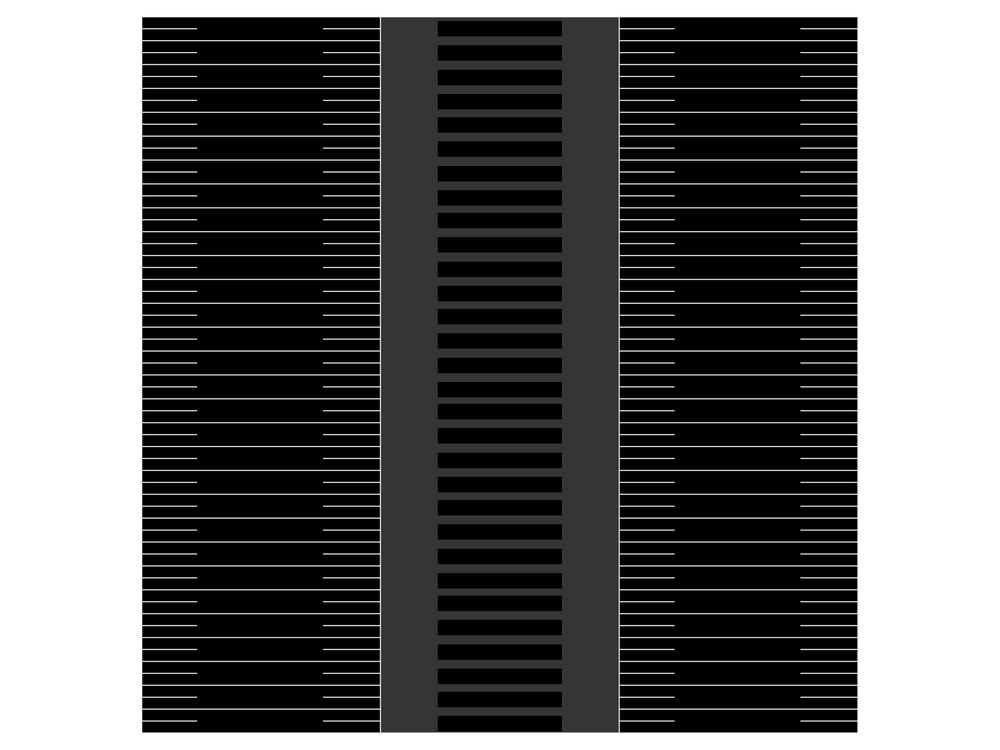
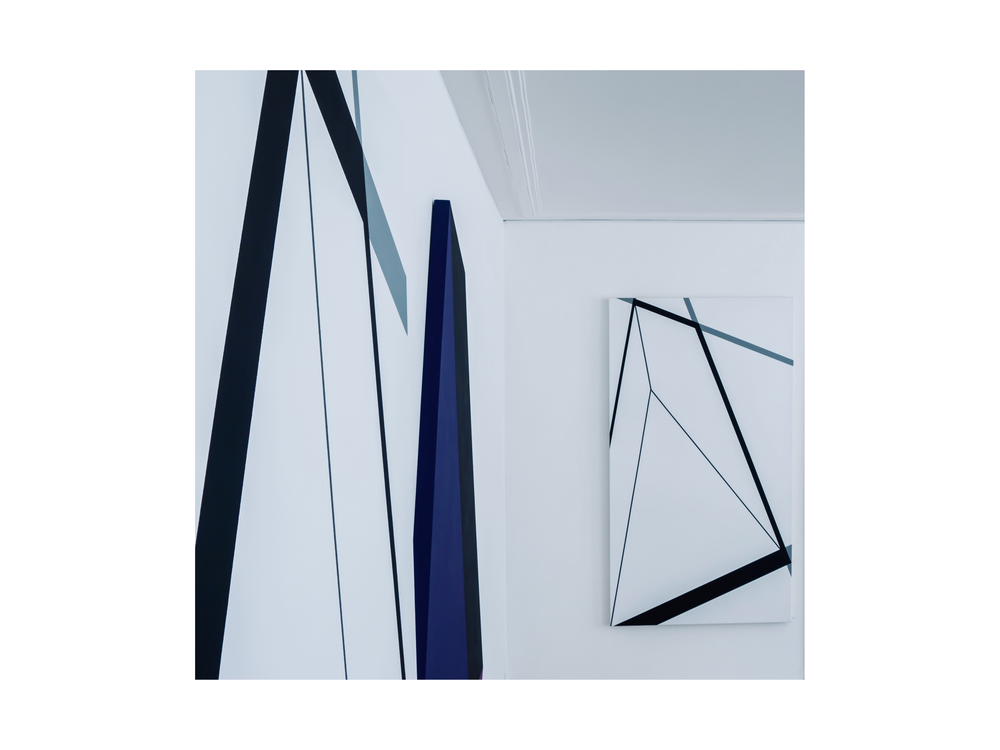
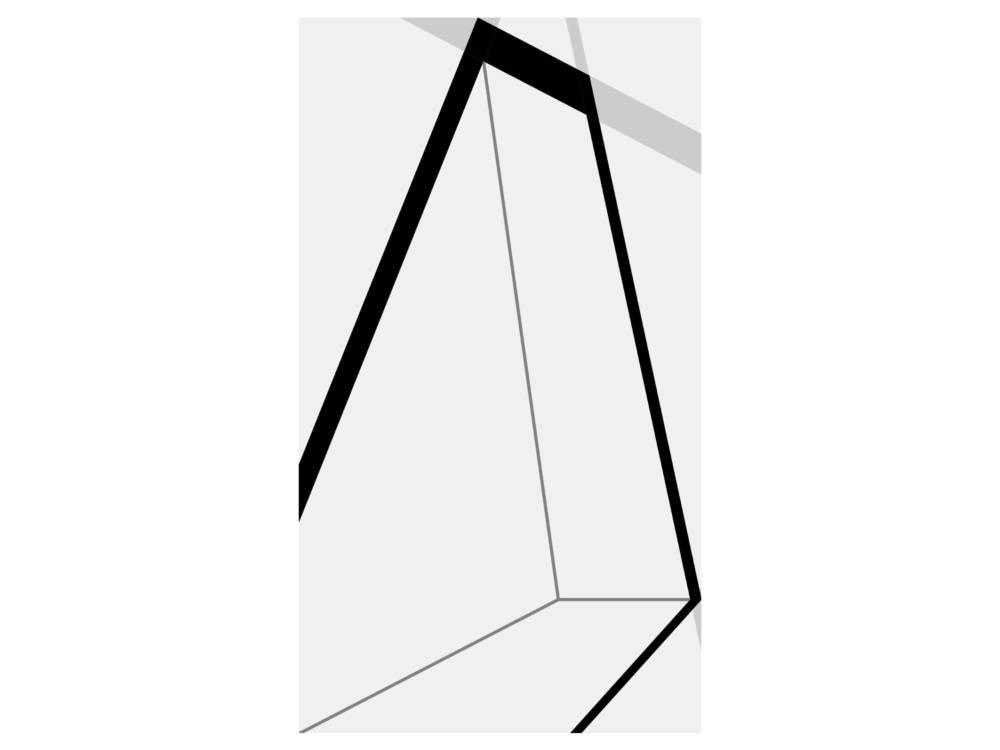
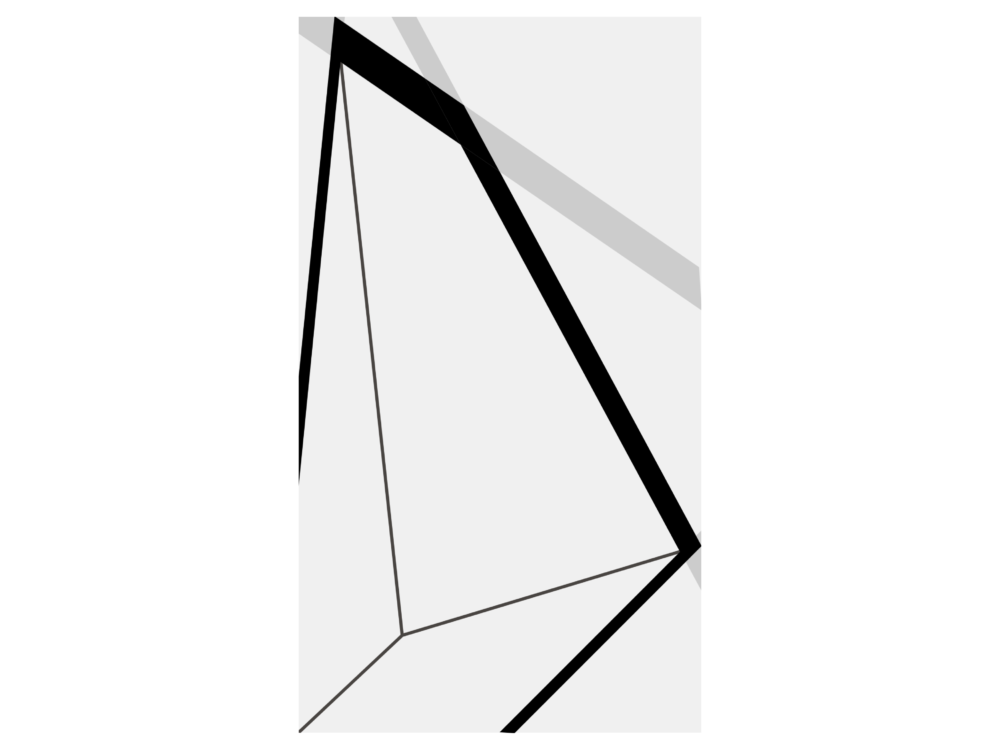
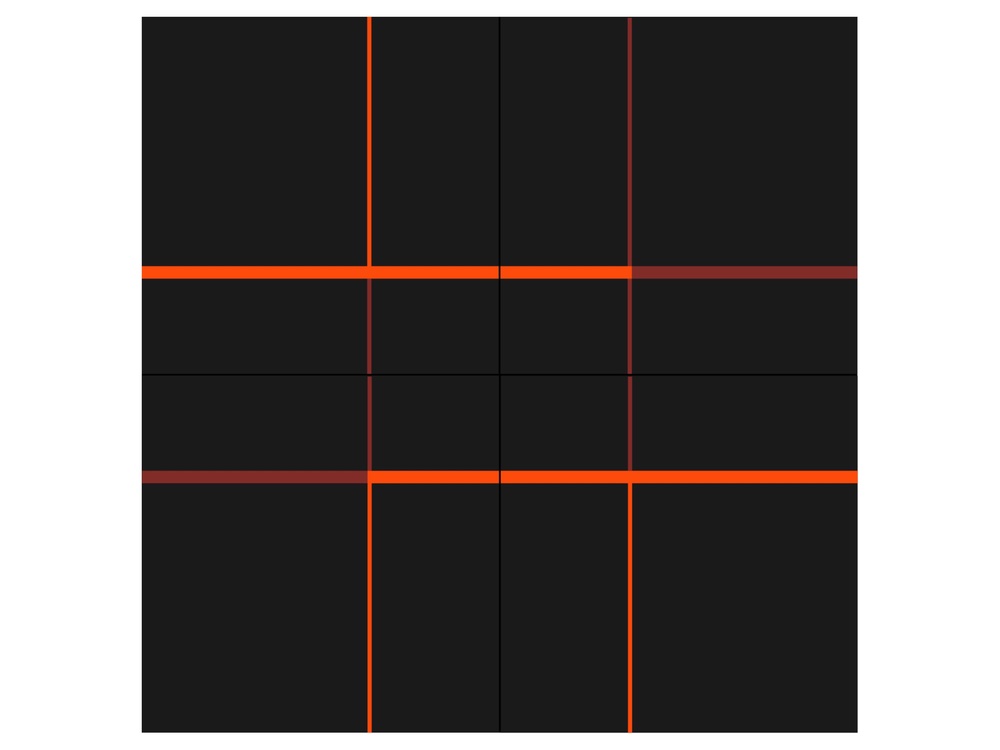
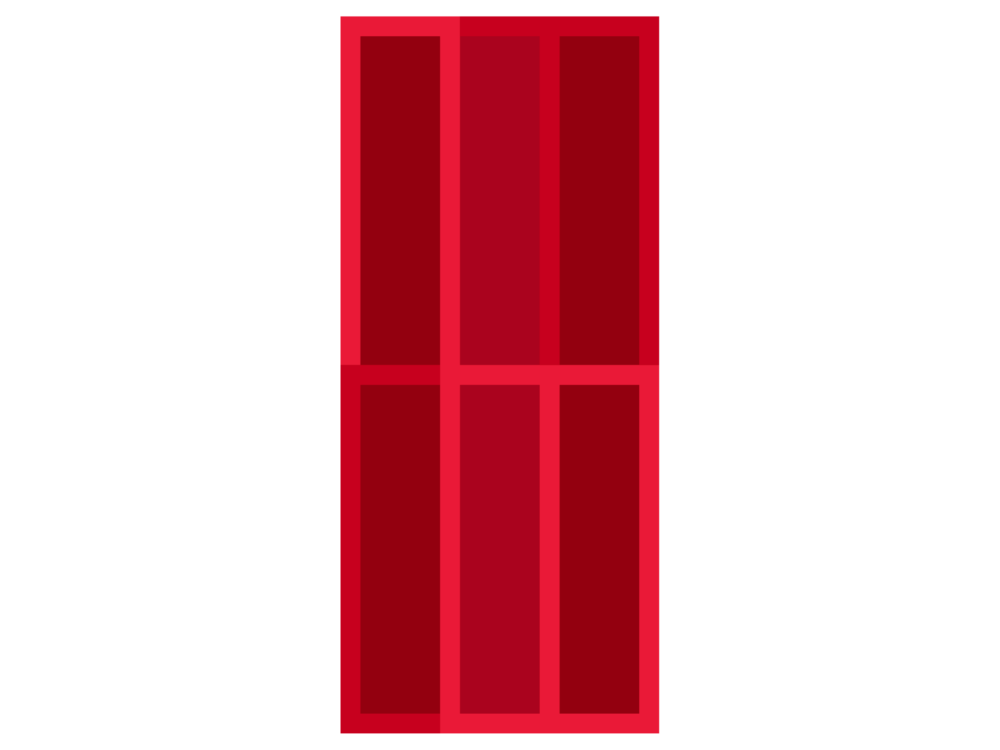
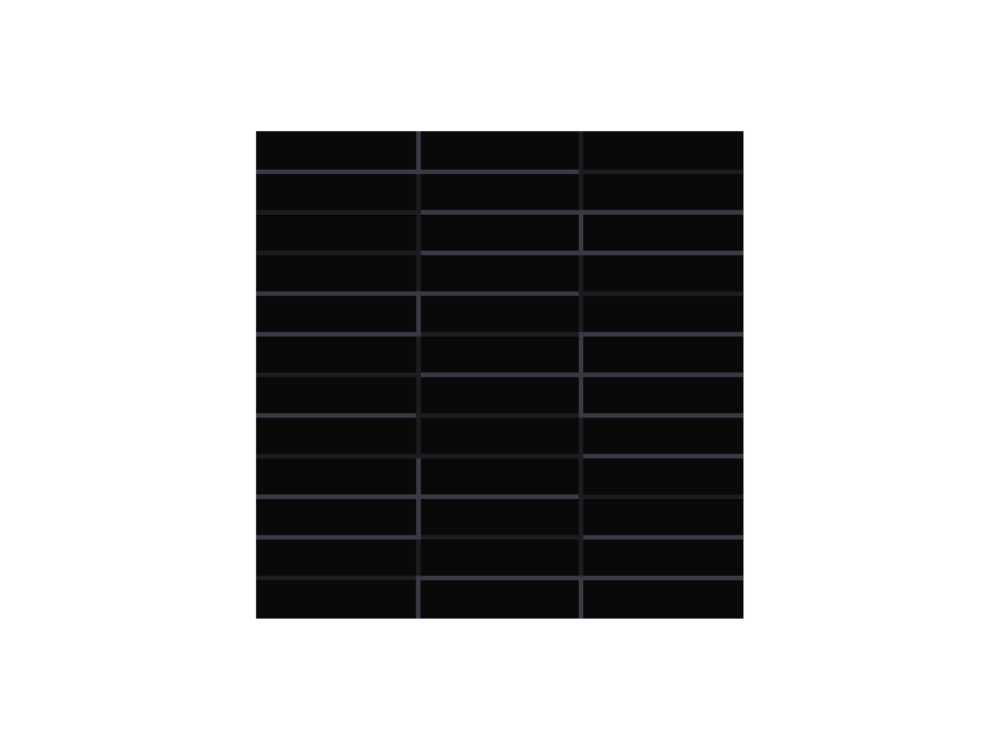
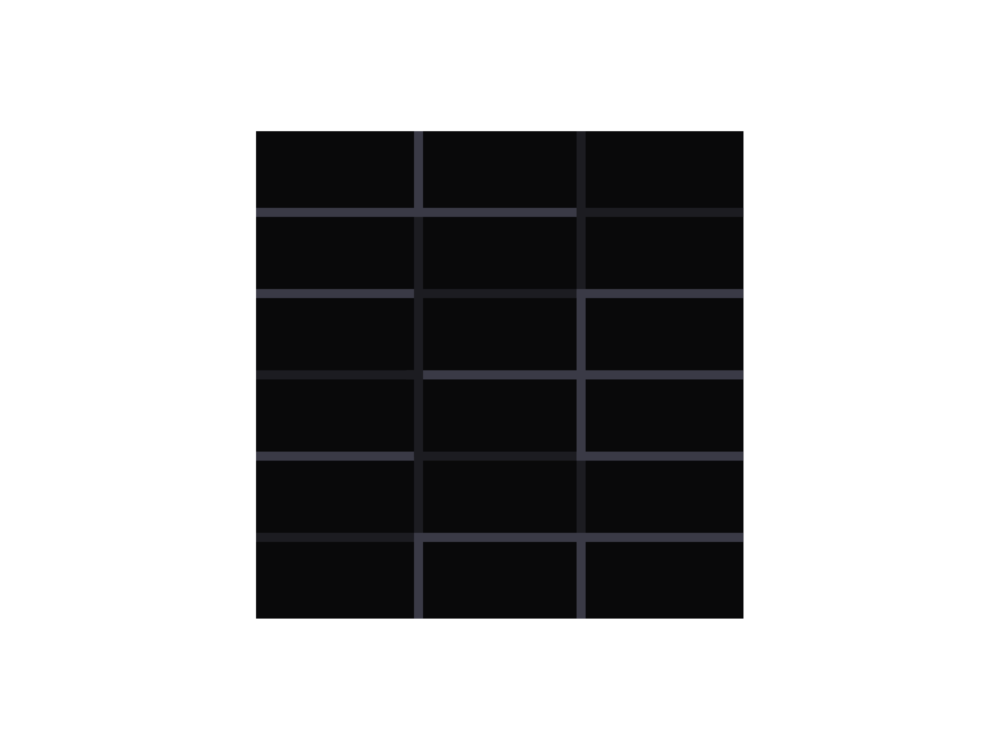
In Grid Modulations and Monochromatic Grids, I work with wide strip grids. By changing the colour of certain parts of the grid — what I call Grid Modulations — the selected parts become distinct shapes that interact reciprocally across the composition. In this series I also introduce the use of irregular grids drawn by chance. In the Monochromatic Grids, I explore the interaction between different hues of a single colour for grid and background.
→ Alternative assemblages of Broken Grids and Grid Modulations are presented in Beyond.
BROKEN GRIDS











GRID MODULATIONS






MONOCHROMATIC GRIDS